The Pollinator Garden Is More Than a Flower List
A pollinator garden offers more than blooms. Learn to assess nesting places, shelter, and flower variety, then choose habitat features that suit your yard.
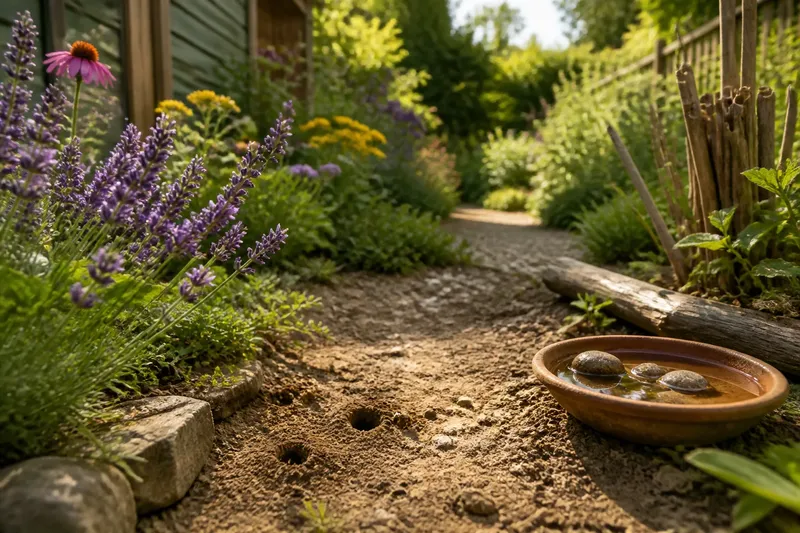
A small bee lands on a lavender flower by the gate, then slips into a gap in the ground beside the path. That turn makes a pollinator garden more than a flower list: blooms feed visitors, while suitable nesting places and shelter let some stay nearby.
To assess pollinator habitat, look at how the garden’s physical features meet the needs of different visitors. Flower shapes and heights matter, but so do stable nesting ground, undisturbed stems, and edges that offer cover. The aim is not to make every corner wild; it is to choose a few features that fit the yard and can remain in place.
Match flower variety to the visitors you see
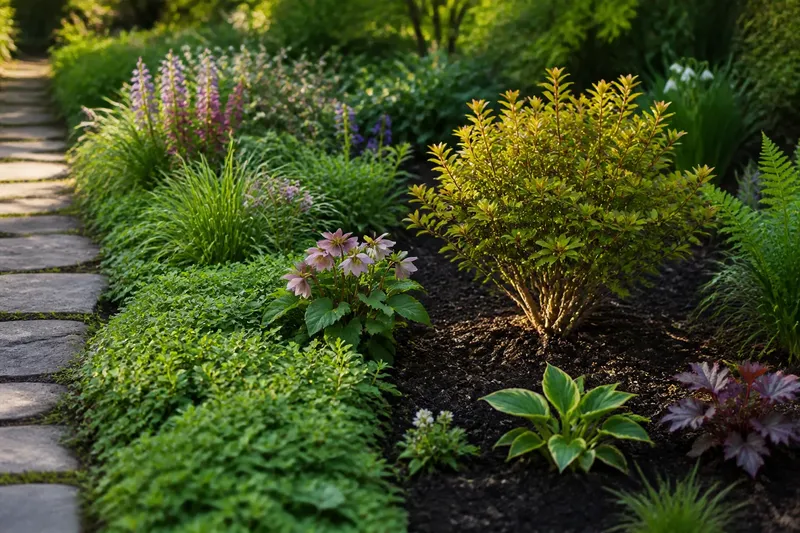
Different pollinators use flowers in different ways. A deep bloom may suit a long-tongued visitor, while an open cluster can be easier for small bees and flies to reach. Plants of varied heights and flower forms give visitors more options than a bed dominated by one shape.
Look for repeated visits rather than treating one passing insect as a verdict. Note the flower, the visitor’s size or appearance, and whether it feeds, rests, or moves on. You do not need a species name to make the record useful.
Choose plants suited to your region and the conditions in your yard. Sun, drainage, wind, and available space all affect whether a plant can grow and flower well. A local native plant society, extension office, or knowledgeable nursery can help you compare suitable options.
Preserve nesting places without adding equipment
Many native bees nest in soil; others use hollow stems, cavities in wood, or existing holes. A garden does not need a purchased bee hotel to provide potential nesting sites. Before adding anything, consider whether a quiet patch of ground or some existing woody material can remain undisturbed.
For ground-nesting bees, a small area of firm, well-drained soil may be useful. If a bare patch is not causing erosion or another problem, avoid covering or digging it until you have considered whether insects are using it. Watch from a distance, and do not probe active holes.
Selected hollow or pithy stems can also remain standing after flowering, if that suits the plants and the garden. Trim them later rather than cutting every stalk down at once. Stems, wood cavities, and soil are different kinds of habitat, so preserving a mix is more useful than relying on one decorative structure.
Say you notice small bees entering holes in a dry, sunny strip beside a shed. Mark the spot on a simple garden sketch, keep tools and foot traffic away from it, and observe from a distance on later visits. If the holes remain in place and bees continue entering them, leave the patch undisturbed; if the area creates an erosion or access problem, ask a local extension office for advice before changing it.
Shape sheltered edges for small visitors
Wind and exposed conditions can make a flower bed less hospitable. A low plant beside a taller perennial, shrub, fence, or hedge can create a more protected edge without blocking access to flowers. Consider the garden’s layout rather than trying to shelter every bed.
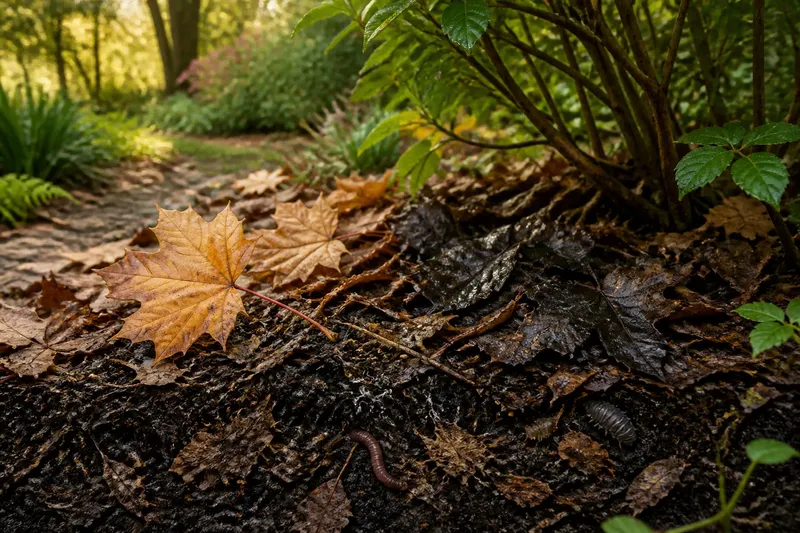
Dead wood and fallen plant material can provide cover for wildlife. Keep these features in a place where they will not obstruct a path or conflict with household needs. Think of the garden like a home with a few quiet rooms: visitors benefit from sheltered corners, not from every space being packed with stuff.
Water is not a substitute for nesting habitat, and a deep, smooth-sided container can be difficult for a small insect to leave. If you offer water, use a shallow dish with stable stones rising above the waterline; refresh it as needed and keep it clean. A damp patch of soil may also offer a drinking place for some visitors.
What should you check before changing habitat?
Does a bare patch need to be covered?
First check whether water stands there, soil is washing away, or insects enter small holes. If the ground is stable and bees are active, leave it undisturbed; if erosion is a concern, seek local guidance before making a change.
Should you leave flower stems standing?
Check whether the plants have hollow or pithy stems and whether leaving them will interfere with paths or garden care. If the stems can stay safely, delay trimming; if they create a practical problem, retain suitable stems elsewhere instead.
Is a bee hotel necessary?
Check first for existing ground, stem, and wood nesting features. If those are present and suit your garden, a purchased block may add little; if you still want one, learn its placement and upkeep needs before installing it.
How can you tell if flower variety is limited?
Check whether visitors repeatedly use only one flower form or whether other blooms are available in the same bed. If the options look narrow, consider a locally suitable plant with a different flower shape; if visits are varied, preserve the planting and continue observing.
Use a habitat check that leads to a decision
A short note can help turn a glance into a practical choice. Record what you see, then decide whether to preserve, adjust, or seek advice about that feature.
- Check whether a bare soil patch is stable and whether bees enter holes; if it is stable and active, leave it undisturbed, but if it is eroding, seek local advice before changing it.
- Check whether flower stems are hollow or pithy and whether they obstruct access; if they are suitable and out of the way, delay trimming, but if they block a path, retain stems in another safe spot.
- Check whether a bed offers more than one flower shape; if visitors use only one form, consider a locally suitable alternative, but if flower forms are already varied, keep the current mix.
- Check whether a sheltered edge has room for a low plant beside taller growth; if it does, consider keeping that layered edge, but if it would crowd the bed, leave the layout open.
- Check whether a water dish has stable landing stones above the waterline; if it does, keep it clean and refreshed, but if it is deep or slippery, remove it or replace it with a safer shallow option.
- Check whether fallen wood or plant material blocks a path or conflicts with household use; if it is out of the way, leave a small amount as cover, but if it causes a problem, move or remove it.
Imagine a narrow border with summer flowers, a clear path, and a dry soil edge where small bees enter holes. You note that only one flower shape is blooming and that the soil remains stable. You leave the nesting edge alone, keep the path clear, and add a locally suitable plant with a different flower form; the resulting decision preserves the active ground while broadening the bed’s floral options.
For a pollinator garden, the most useful plan may be to preserve a feature already in use rather than add another structure. Check the ground, stems, and sheltered edges before altering them, and make changes only where the observed condition points to a clear need.